
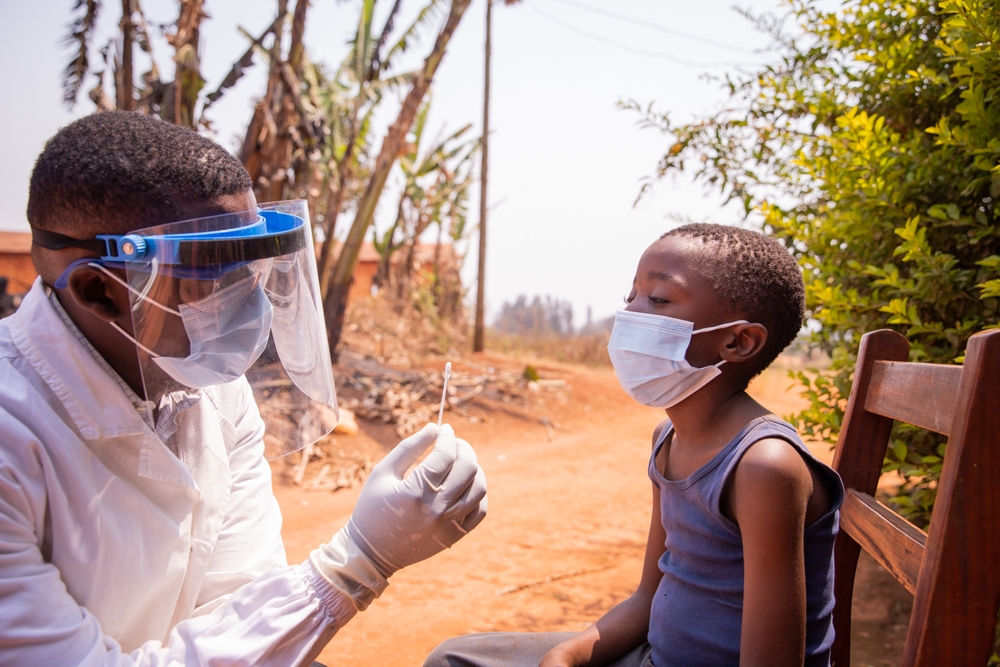
Malaria continues to be one of the most common and dangerous illnesses in Kenya. While progress has been made in reducing the number of cases, the disease remains a major health concern, especially in rural communities and areas with high mosquito populations. Knowing the signs of malaria and acting quickly can make the difference between a mild illness and a serious, even life-threatening condition.
Why Early Detection Matters
Malaria spreads quickly in the body, and without treatment, it can cause severe complications. Recognizing the signs of malaria early allows patients to seek care immediately, receive testing, and start treatment before the disease worsens. Since malaria can sometimes mimic other illnesses like the flu or stomach infections, awareness is key.
The Most Common Signs of Malaria
- Fever and Chills
A sudden fever is one of the first and most common signs of malaria. Patients may also experience intense chills or shivering, often in cycles. - Headaches
Severe or persistent headaches often accompany malaria infections and should not be ignored. - Sweating and Fatigue
After chills and fever, heavy sweating and extreme tiredness usually follow. Fatigue may persist for days even after fever episodes. - Nausea, Vomiting, and Diarrhea
Malaria often causes stomach-related symptoms. While these may seem minor at first, when combined with fever, they can point to malaria. - Muscle and Joint Pain
Aching muscles and painful joints are also common signs of malaria, similar to flu symptoms. - Anemia and Weakness
Because malaria parasites attack red blood cells, patients may develop anemia, which leads to weakness, dizziness, and pale skin.
What to Do If You Notice Signs of Malaria
If you or someone you know shows possible signs of malaria, here’s what to do:
- Seek Medical Care Immediately
Visit the nearest hospital or clinic as soon as possible. Malaria cannot be diagnosed based on symptoms alone; it requires a blood test. Katani Hospital and other healthcare centers across Kenya provide malaria testing and treatment. - Do Not Self-Medicate
While over-the-counter medicines may ease some symptoms, they do not cure malaria. Proper treatment with antimalarial drugs prescribed by a doctor is essential. - Follow the Full Treatment Plan
Even if you start to feel better after a few doses, it is important to complete the entire course of medication. Stopping early can allow the disease to return or become resistant to treatment. - Hydrate and Rest
Drink plenty of clean water and rest to support your recovery. Malaria can cause dehydration, especially with fever and sweating. - Protect Others
Since mosquitoes spread malaria, sleeping under treated mosquito nets and avoiding mosquito bites can help stop the spread to family members.
Join Our Mission at Katani Hospital
At Katani Hospital, we believe that Kenyan lives matter. We offer cutting-edge medical care and treatment to all Kenyans. Your support helps us serve our patients, doctors, nurses, staff, and our communities with high-quality medical care. To learn more about our mission and help save Kenyan lives, visit us online. To learn more about receiving medical care, call us at +254 710 865455.
Recent Comments