
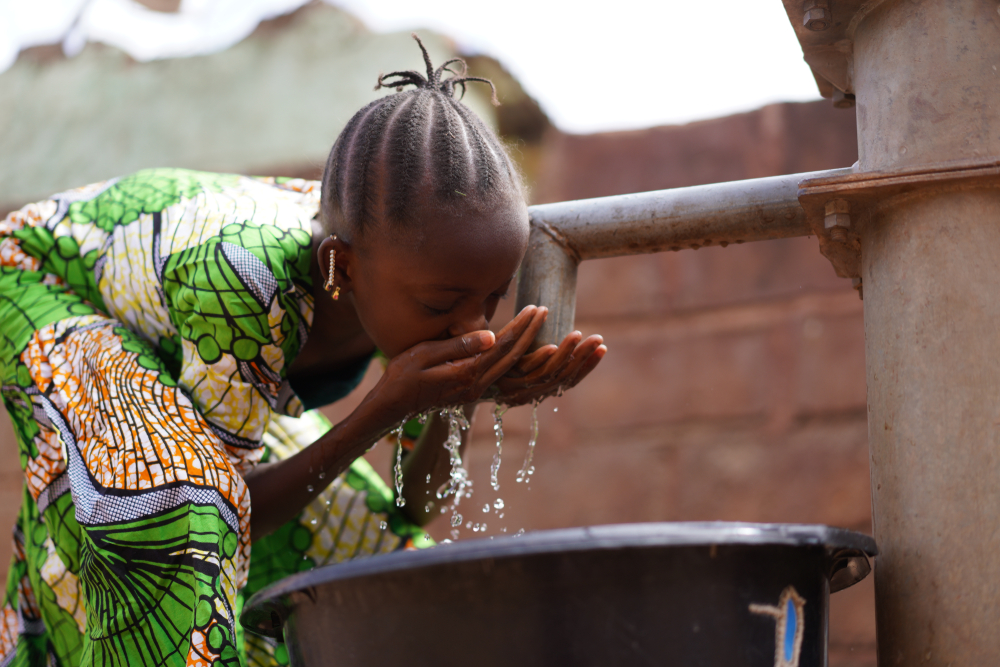
Access to clean and safe water is fundamental to public health, economic development, and the overall well-being of citizens. In Kenya, water scarcity and contamination are persistent challenges. Clean water initiatives are critical to improving community health in Kenya. Currently, approximately 60% of Kenyans have access to safe drinking water. While this marks great progress, this also shows that there is a long way to go.
What Is the Current State of Clean Water in Kenya
Kenya faces considerable challenges in both water and sanitation. As we mentioned above, 40% of Kenyans lack access to clean water, and a whopping 71% don’t have access to basic sanitation facilities. An estimated 9.9 million people rely on contaminated surface water sources for their daily hydration, and about five million practice open defecation. Only 25% of households have hand-washing stations with soap and water at home. As a result, there is a lot of progress to be made to ensure that Kenyans can access clean water consistently and practice good sanitation.
How Have Clean Water Initiatives Helped So Far?
Clean water initiatives have played a pivotal role in enhancing community health in Kenya. By improving access to safe water and promoting hygiene practices, these programs have led to a significant reduction in waterborne illnesses, such as cholera and typhoid fever. For example, integrated water, sanitation, hygiene, and health interventions have improved the quality of community and household water, leading to better health outcomes. In fact, a study observed a 58.2% decline in diarrhea at a site where integrated water solutions were introduced.
What Are the Most Common Waterborne Illnesses in Kenya?
Waterborne illnesses are a serious health concern for community health in Kenya. These diseases are caused by consuming or coming into contact with contaminated water, and they can spread quickly in communities. The most common waterborne illness in Kenya is cholera, a severe diarrheal disease that can lead to dehydration and even death if untreated. Typhoid fever is another frequent illness, causing high fever, weakness, stomach pain, and sometimes a rash. Dysentery, often caused by bacteria or amoebas, leads to bloody diarrhea and abdominal cramps. Hepatitis A is also waterborne and leads to fever, jaundice, and nausea.
What Are the Signs You’ve Consumed Contaminated Water?
If you’ve consumed contaminated water, you can always visit Katani Hospital for treatment. Waterborne illnesses can affect people of all ages. In Kenya, it’s important to recognize the symptoms early so you can seek treatment quickly. Common symptoms include stomach pain, nausea, vomiting, and diarrhea. You may also experience fever, dehydration, fatigue, and, in severe cases, weight loss or confusion. Young children, the elderly, and people with weakened immune systems are at higher risk of serious complications.
How Can Kenyans Protect Themselves from Clean Water-Related Illnesses?
Protecting yourself and your family from water-related illnesses starts with safe water practices. Always boil drinking water before use, especially if it comes from rivers, wells, or other unprotected sources. Wash your hands with soap and clean water before eating, after using the toilet, and after handling waste or animals. Store water in clean, covered containers to avoid contamination. Keep toilets and latrines clean, and avoid open defecation to reduce the spread of disease.
Join Our Mission at Katani Hospital
At Katani Hospital, we believe that Kenyan lives matter. We offer cutting-edge medical care and treatment to all Kenyans. Your support helps us serve our patients, doctors, nurses, staff, and our communities with high-quality medical care. To learn more about our mission and help save Kenyan lives, visit us online. To learn more about receiving medical care, call us at +254 710 865455.
Recent Comments