
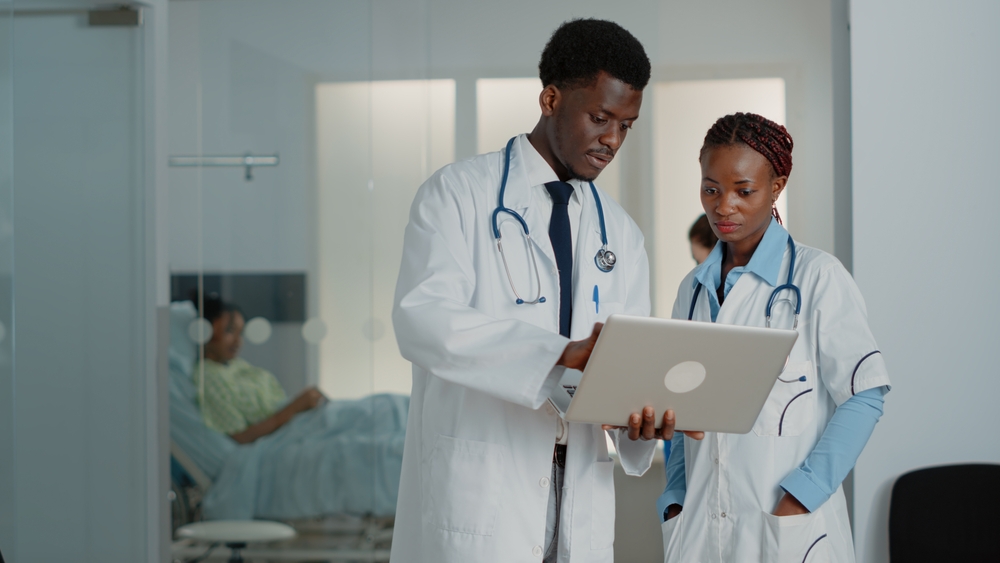
In Kenya, cancer has become one of the most urgent and devastating non-communicable diseases (NCDs) facing individuals, families, and the country as a whole. As cases rise and the burden on the health system grows heavier, the need for a coordinated, long-term strategy to prevent, detect, and treat cancer is more important than ever. Cancer now ranks as the third leading cause of death in Kenya. For many, the diagnosis comes too late for effective treatment. How can we tackle cancer?
This concludes our three-part series on Kenya’s non-communicable diseases. As we’ve explored with diabetes, hypertension, and cancer, a healthier future is possible if we work together to build it.
The Rise of Cancer in Kenya
Cancer is not a single disease, but a group of related conditions characterized by the uncontrolled growth of abnormal cells. In Kenya, the most common cancers include:
- Breast cancer
- Cervical cancer
- Esophageal cancer
- Prostate cancer
- Colorectal cancer
- Kaposi’s sarcoma (especially among people living with HIV)
Women are particularly vulnerable, with breast and cervical cancers accounting for over half of all cases among women. Cervical cancer alone kills more than 3,000 Kenyan women each year. This is even more tragic, as cervical cancer is largely preventable with early screening and HPV vaccination.
The Challenges of Cancer in Kenya
Cancer care in Kenya faces several systemic challenges that complicate diagnosis and treatment. These challenges include:
1. Late Diagnosis
More than 70% of cancer cases in Kenya are diagnosed at an advanced stage when treatment options are limited and outcomes are poor. This is due in part to low public awareness, stigma, and a lack of regular screening.
2. Limited Treatment Facilities
Access to quality cancer care is uneven. Most oncology services are concentrated in urban areas. This means that patients in rural areas often travel long distances and face long waits for services like chemotherapy, radiation, and surgery. At Katani Hospital, we are proud to offer quality cancer care to all Kenyans.
3. Workforce Shortages
There is a shortage of oncologists, radiologists, pathologists, and oncology nurses in Kenya. In many counties, patients are referred to far-away cities for diagnosis or specialist care, leading to delays and drop-offs in treatment. At Katani Hospital, we are hoping to bridge this gap and make cancer care more accessible.
How Could Things Change for the Better?
1. Improve Early Detection and Screening
Early diagnosis saves lives and significantly reduces the cost of treatment. To work on early detection:
- Cervical cancer: Expand access to screening services and improve the national HPV vaccination program for girls aged 9–14.
- Breast cancer: Promote self-exams and clinical breast exams at the community level and increase access to mammography where possible.
- Other cancers: Promote awareness of symptoms and encourage regular appointments to get preventative care.
2. Make Care More Accessible
Bringing cancer care closer to the people is critical. Hospitals like ours are vital to making cancer care, as well as cancer diagnosis services, more accessible for all Kenyans. Continued investment in radiotherapy machines, pathology labs, and oncology units around the country will reduce patient overload and improve outcomes.
3. Invest in Education
Community education can help dispel myths and reduce the stigma around cancer. When we all work together to learn about preventing and diagnosing cancer, we can make a big impact. Empowered communities save lives.
Join Our Mission at Katani Hospital
At Katani Hospital, we believe that Kenyan lives matter. We offer cutting-edge medical care and treatment to all Kenyans. Your support helps us serve our patients, doctors, nurses, staff, and our communities with high-quality medical care. To learn more about our mission and help save Kenyan lives, visit us online. To learn more about receiving medical care, call us at +254 710 865455.
Recent Comments