
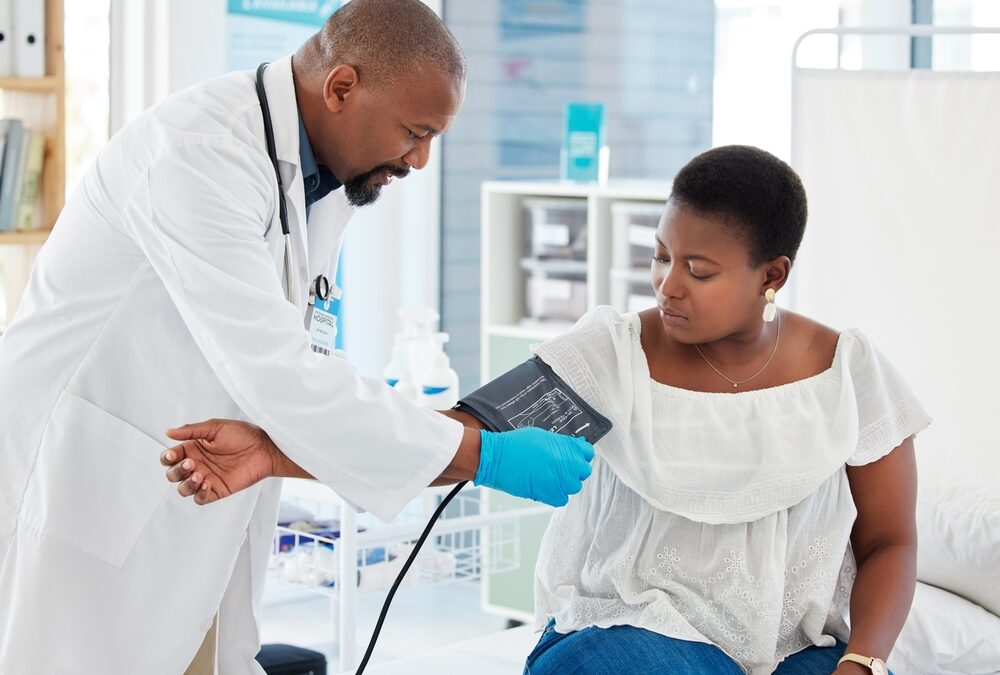
Hypertension, also known as high blood pressure, has long been known as the “silent killer.” In Kenya, it is a leading cause of death and disability and one of the most common non-communicable diseases. Hypertension can lead to heart attacks, strokes, kidney failure, and other life-threatening complications. Despite its growing impact, hypertension remains underdiagnosed and undertreated. As Kenya works to fight non-communicable diseases (NCDs), addressing hypertension should be a central priority.
This blog is the second in a three-part series exploring Kenya’s response to the rising threat of non-communicable diseases.
The Rise of Diabetes in Kenya
An estimated one in four Kenyan adults lives with high blood pressure. However, many are unaware, as hypertension often shows no clear symptoms until severe damage has already occurred. The problem is particularly urgent in urban areas, where stress, dietary changes, and sedentary lifestyles are more common, but rates are also rising in rural regions.
According to the Ministry of Health, hypertension is the most prevalent cardiovascular condition in the country and a leading contributor to premature mortality. In fact, 25% of hospital admissions and approximately 13% of deaths in the country are the result of cardiovascular diseases. When combined with other non-communicable diseases like diabetes and obesity, the risks multiply.
The Cost of Hypertension in Kenya
Hypertension places consistent pressure on the arteries, which does serious damage to blood vessels over time. Hypertension also increases the risk of heart disease, stroke, kidney failure, and vision loss. Because these complications often develop slowly and silently, patients may not seek care until a catastrophic health event occurs.
The personal and economic impacts of hypertension are big throughout the world, and Kenya is no exception. Families face high medical costs, loss of income, and long-term caregiving responsibilities. Kenya also loses countless productive years to disability and early death. These losses are preventable with early detection and consistent care.
How Could Things Change for the Better?
Hypertension is preventable, manageable, and, in many cases, reversible. Kenya has the tools to combat it, but stronger coordination and investment are needed. Katani Hospital is proud to be one of the healthcare organizations working to eliminate hypertension.
1. Expand Routine Screening
Early detection saves lives. Blood pressure checks should become a standard part of every health visit, regardless of the reason for care. Mobile clinics, hospitals like Katani Hospital, churches, and even workplaces can also serve as screening points. It’s important to reach people who may not visit formal health facilities.
2. Increase Public Awareness
Widespread education about hypertension is vital to prevent the increase in non-communicable diseases. Schools, media outlets, community leaders, and faith-based groups all have roles to play in educating Kenyans about the risks of hypertension.
3. Make Treatment More Accessible
Access to affordable blood pressure medication and testing is a key part of eliminating hypertension in the country. At Katani Hospital, we are committed to providing all Kenyans with access to affordable testing and blood pressure medication. Kenya must continue working toward price reductions and an increased supply of essential drugs, especially in public facilities.
4. Promote Healthy Lifestyles
Prevention starts with daily habits. Programs that encourage physical activity, support weight management, and discourage tobacco use can have a significant impact. When we all work together, a healthier future is possible.
Join Our Mission at Katani Hospital
At Katani Hospital, we believe that Kenyan lives matter. We offer cutting-edge medical care and treatment to all Kenyans. Your support helps us serve our patients, doctors, nurses, staff, and our communities with high-quality medical care. To learn more about our mission and help save Kenyan lives, visit us online. To learn more about receiving medical care, call us at +254 710 865455.
Recent Comments