
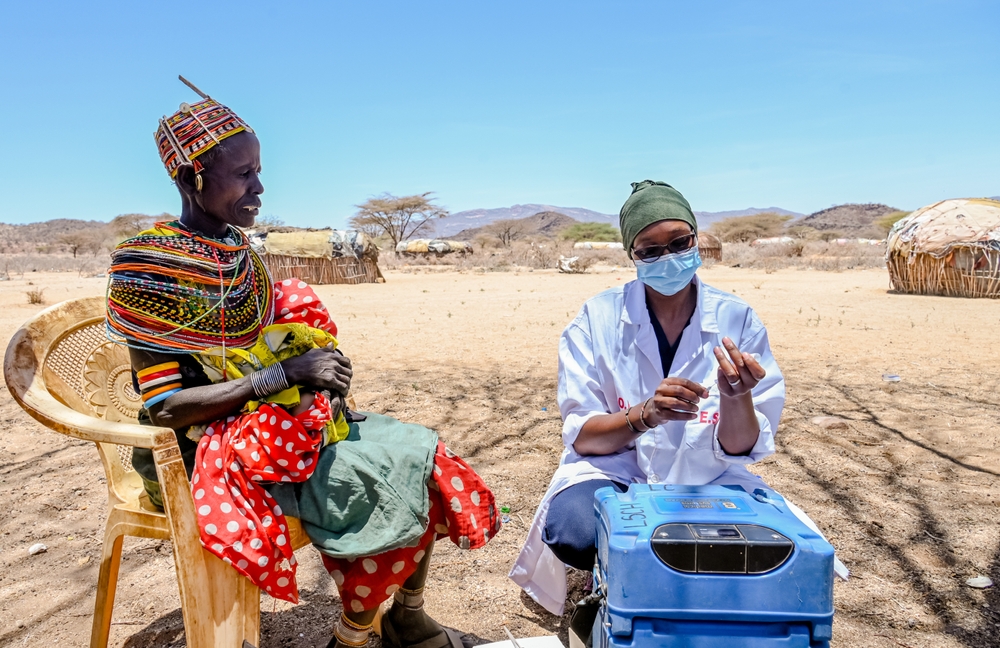
Access to healthcare remains a significant challenge for many Kenyans. Inadequate infrastructure, long travel distances to get healthcare, and economic constraints often prevent residents from receiving the care that they need when they need it. Sadly, this prevents some Kenyans from accessing critical vaccines that can prevent the spread of illness. Why are vaccination programs for Kenya’s rural communities so critical?
How Vaccination Programs Help With Disease Prevention
Vaccination programs for Kenya’s rural communities are essential for limiting the spread and prevalence of vaccine-preventable diseases like measles, polio, tuberculosis, and hepatitis B. These diseases are all a serious threat to public health, especially in rural parts of the country where medical services are scarce. Immunization efforts also help to create herd immunity, which protects even elderly patients and children who cannot be vaccinated from illness.
What Challenges Are Standing in the Way?
Despite their importance, vaccination programs for Kenya’s rural communities face several challenges. Poor road networks and geographical barriers often make it difficult for healthcare workers to reach remote areas. Additionally, misinformation and vaccine hesitancy remain significant concerns, requiring continuous education and awareness campaigns to build public trust in vaccines. Katani Hospital is working tirelessly to educate patients about the importance of vaccinations so that public trust is built and lives are saved.
How Vaccines Improve Maternal and Child Health
Vaccination programs for Kenya’s rural communities are critical in improving maternal and child health. By immunizing infants against preventable diseases, these programs help to reduce infant mortality rates and improve overall child development. Vaccines such as the pentavalent vaccine, which protects against diphtheria, pertussis, tetanus, hepatitis B, and Haemophilus influenzae type B, are particularly essential in ensuring healthy childhoods. Currently, just over 75% of children have received the pentavalent vaccine.
How Community Trust Plays a Role
One of the key strategies for the success of vaccination programs for Kenya’s rural communities is fostering trust and awareness. Local health workers and community leaders play a significant role in educating residents about the benefits of immunization. When the whole community, government, and organizations like Katani Hospital come together to educate patients, great progress can be made.
Katani Hospital Is Helping Build a Healthier Future in Kenya
The importance of vaccination programs for Kenya’s rural communities cannot be overstated. These programs are vital in preventing disease outbreaks, reducing mortality rates, and improving overall public health. With ongoing support from the government, organizations like Katani Hospital will help provide vaccination programs that safeguard the health and well-being of Kenya’s rural populations.
Join Our Mission at Katani Hospital
At Katani Hospital, we believe that Kenyan lives matter. We offer cutting-edge medical care and treatment to all Kenyans. Your support helps us serve our patients, doctors, nurses, staff, and our communities with high-quality medical care. To learn more about our mission and help save Kenyan lives, visit us online. To learn more about receiving medical care, call us at +254 759 636716 or +254 710 865455.
Recent Comments